Song Inspired
Porcelain Dinnerware
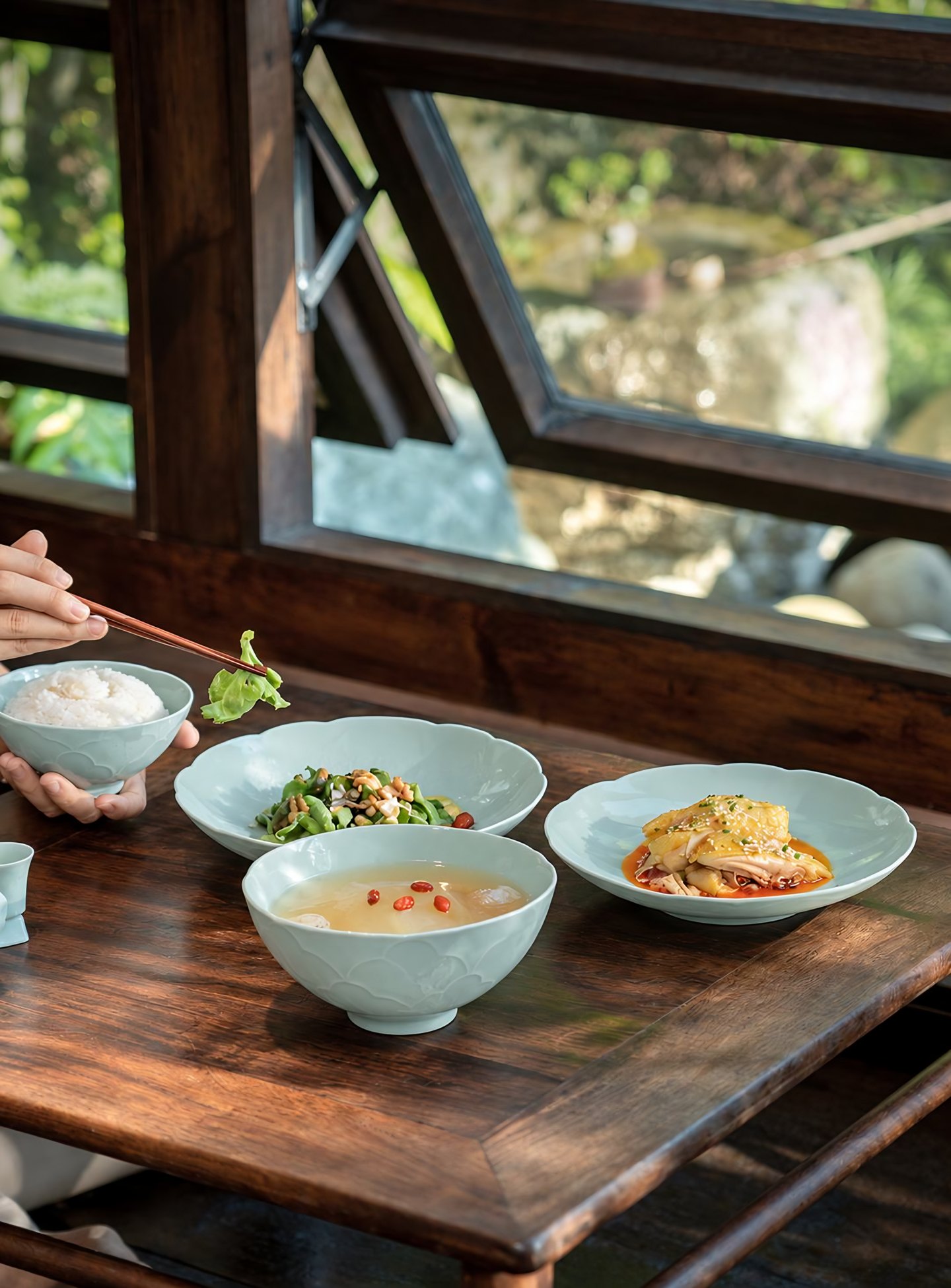
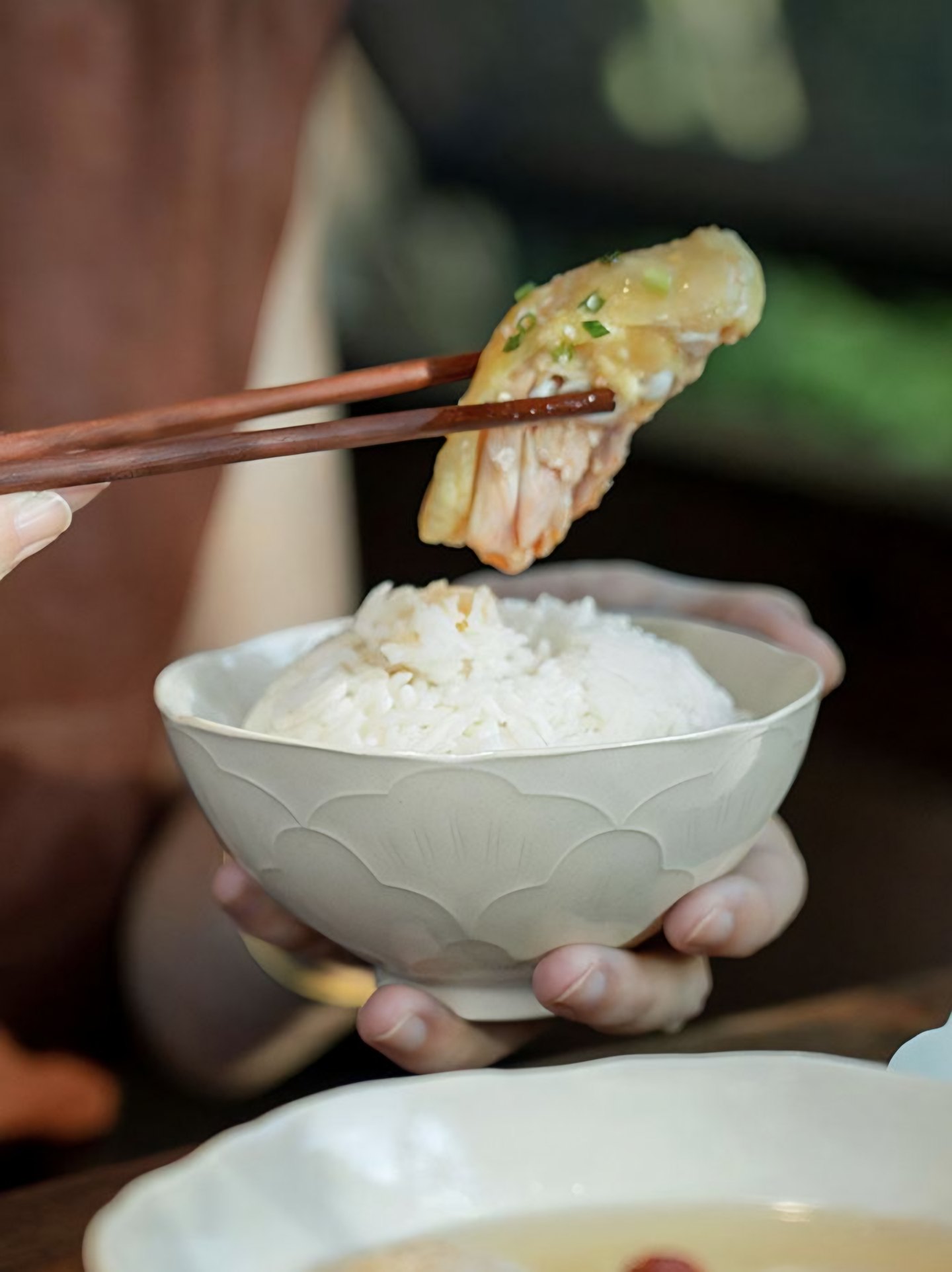
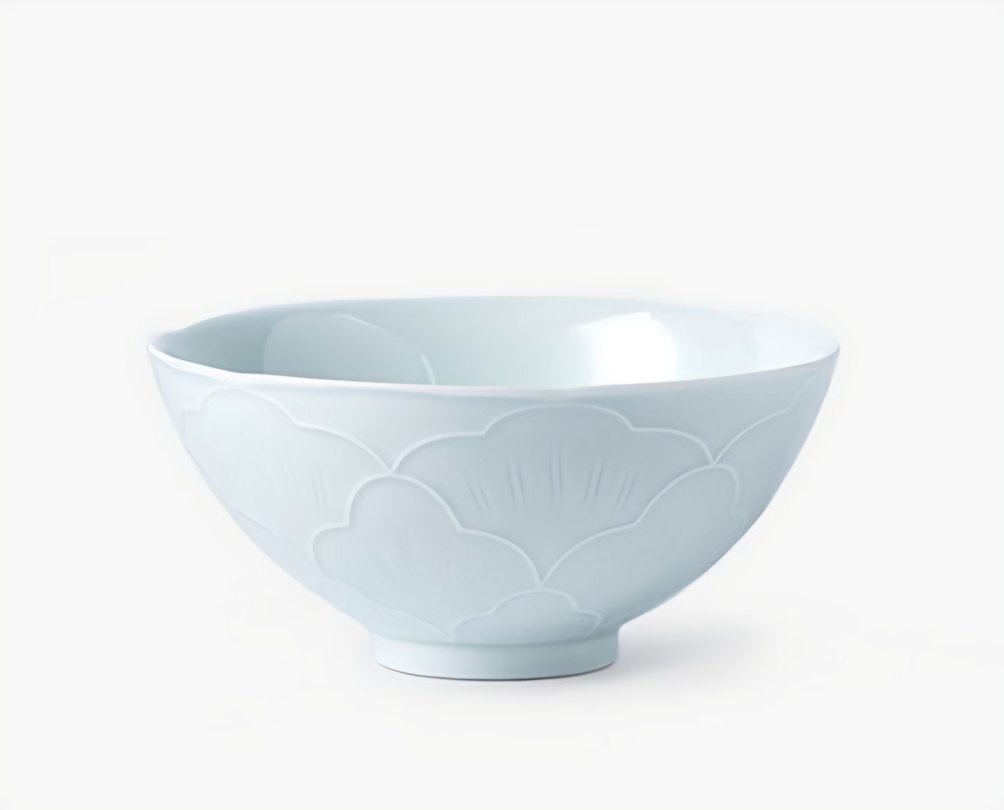
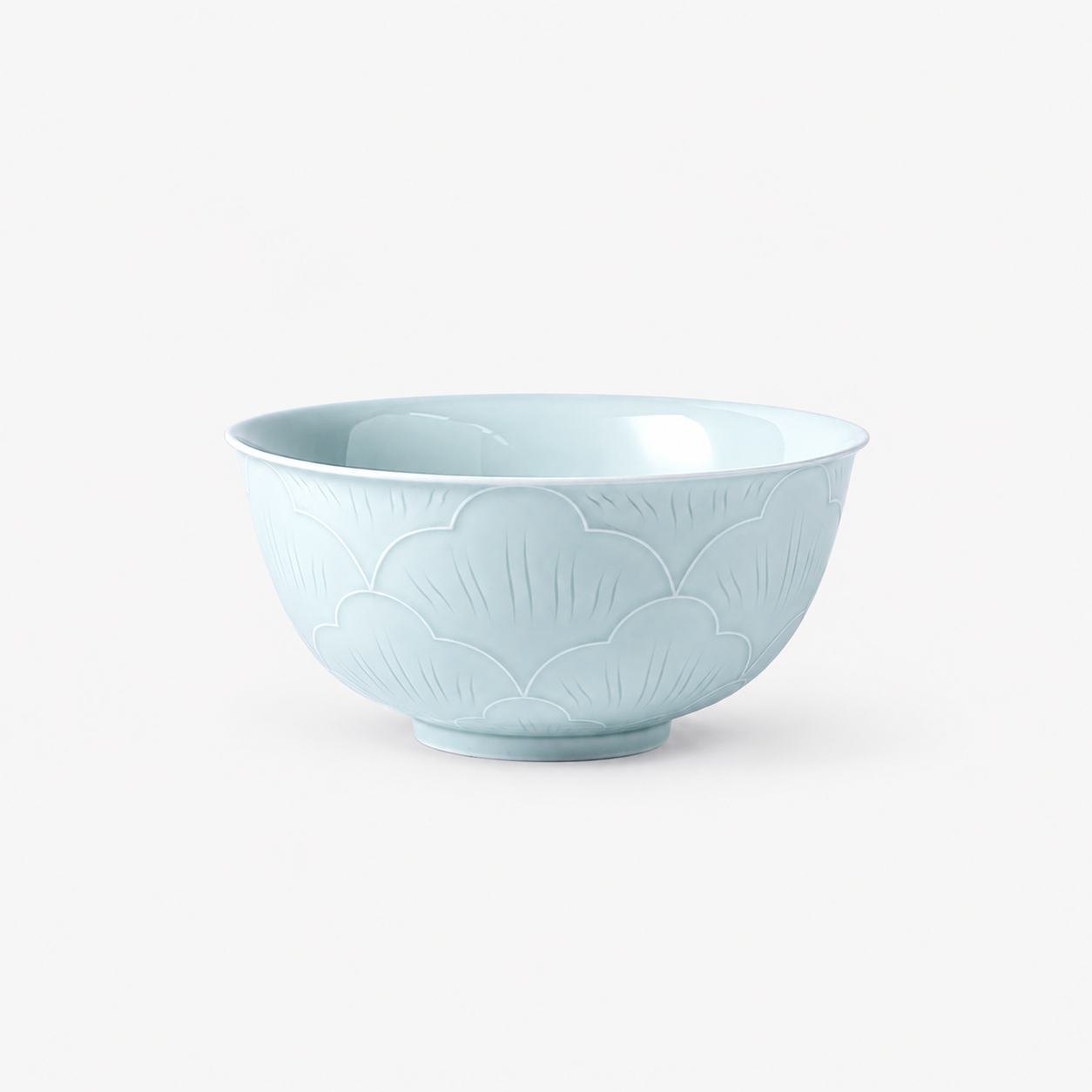
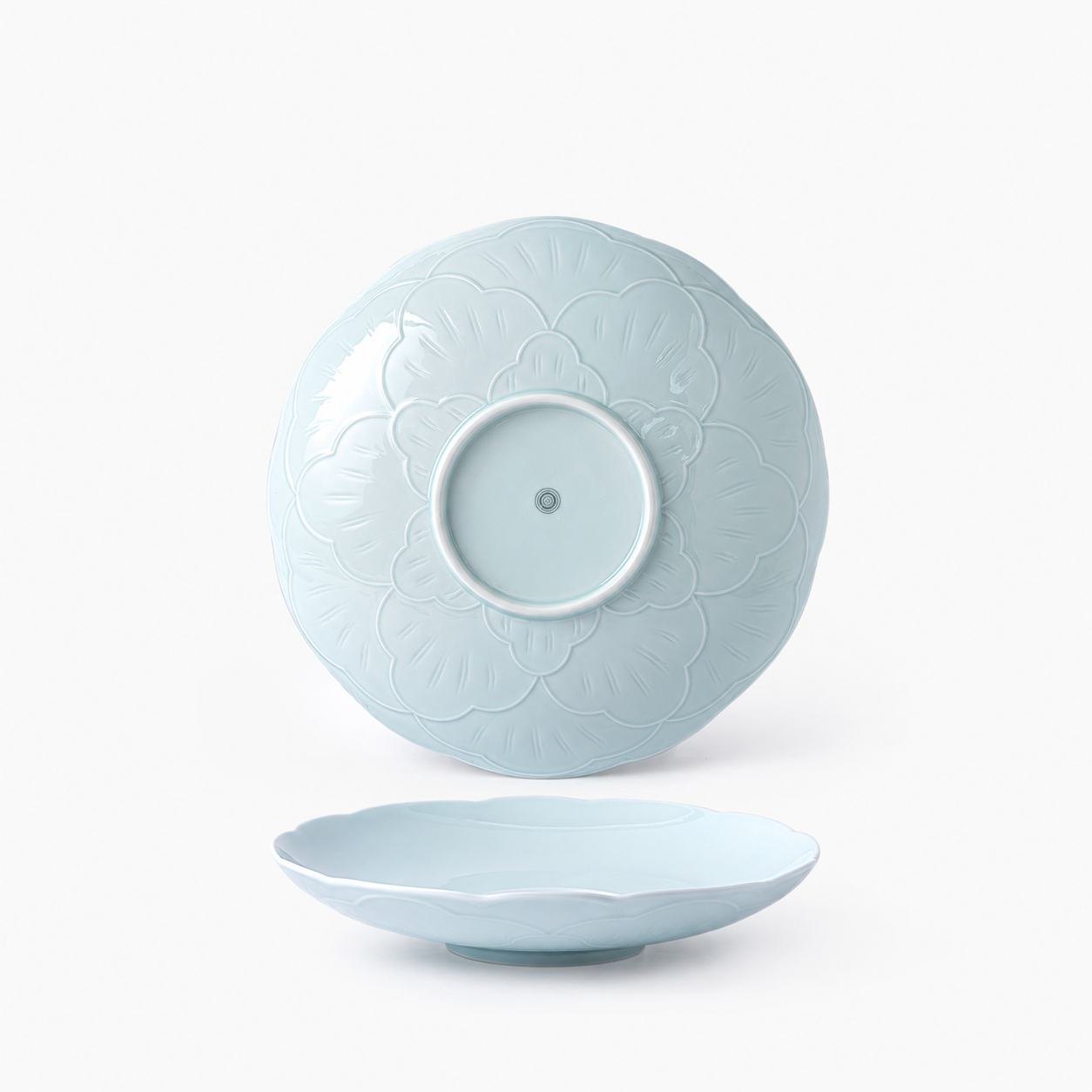
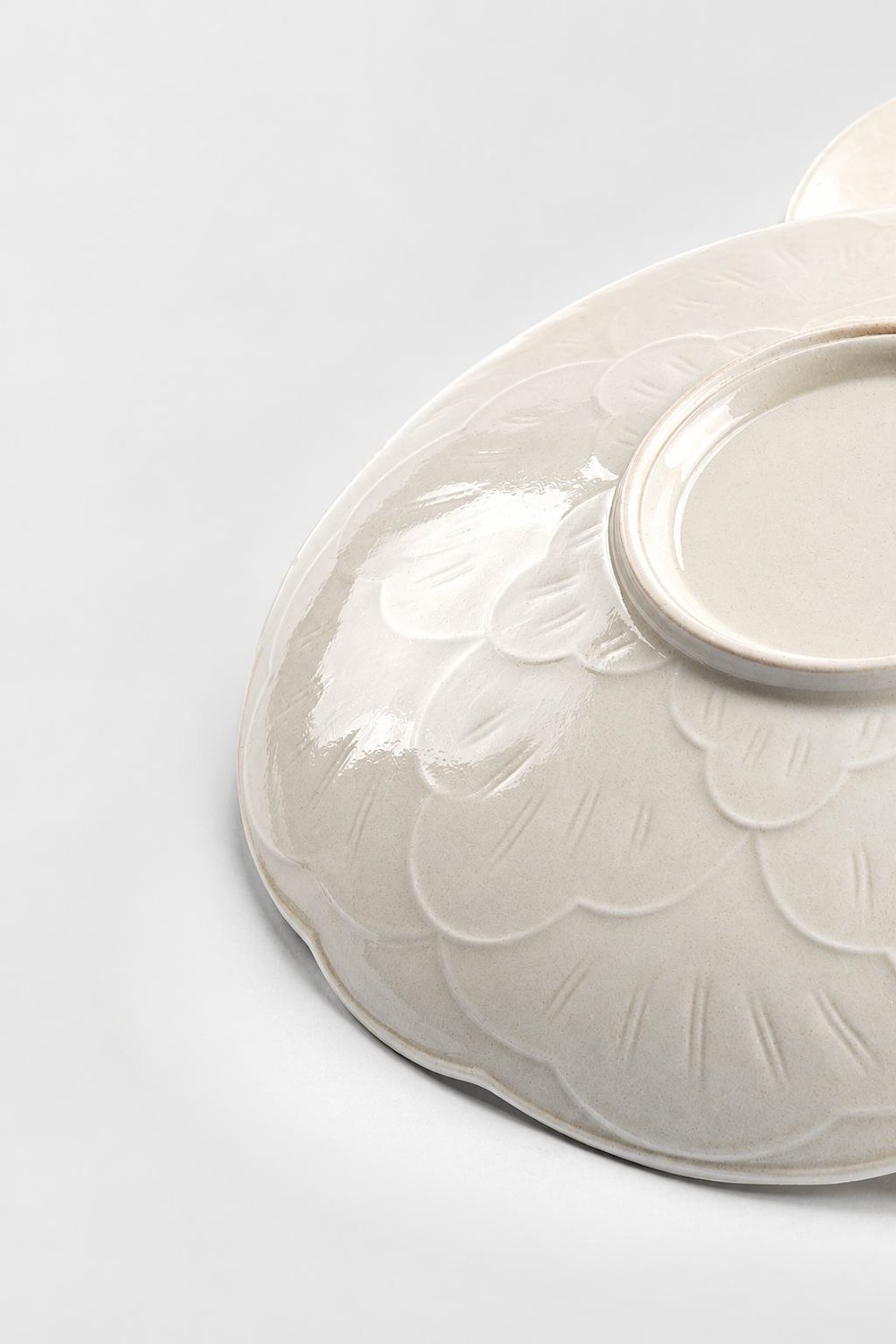
The celadon glaze is rooted in Song dynasty aesthetics (宋式美学 sòng shì měi xué). It’s like having a small bit of history in the kitchen. Characterized by peony carvings and a subtly off-round body, it’s a blend of the traditional and modern.
In the year 1004, an emperor named a small porcelain town after his reign era: Jingde (景德 jǐng dé). Nearby stands a hill called Kaolin (高岭 gāo lǐng), where the pure white clay for porcelain was dug. The pale blue-white porcelain it made, "shadow blue", we call the color celadon. In Chinese it is the color of the sky after rain: blue, green and gray, changing with the light.
It is fired above 1,300°C, which makes the porcelain dense, hard and non-porous. Resists stains. Soy sauce, vinegar, and chili oil wash clean from the glaze.
 Microwave safe
 Dishwasher safe
 Oven safe
From $72 · founding price
Beta run. Arrives in up to 3 weeks.
Reserve your setMicrowave, dishwasher (gentle cycle), and oven safe. Keep them off open flame. Avoid sudden changes in temperature (e.g. from freezer to oven). Always place very hot items onto either wood or cloth. We recommend using gentle, environmentally-friendly detergents.
The best porcelain for
an Asian dinner party
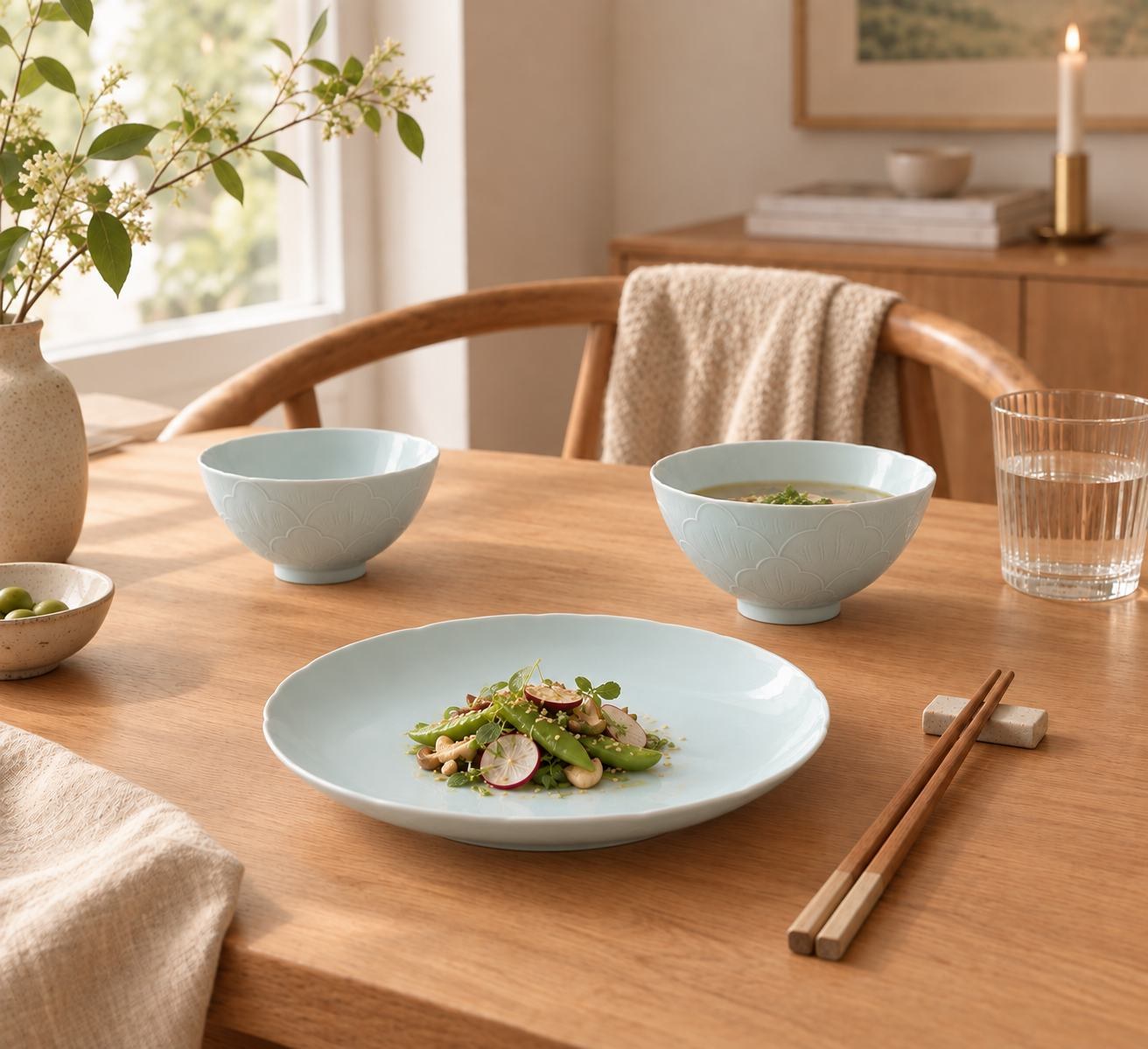
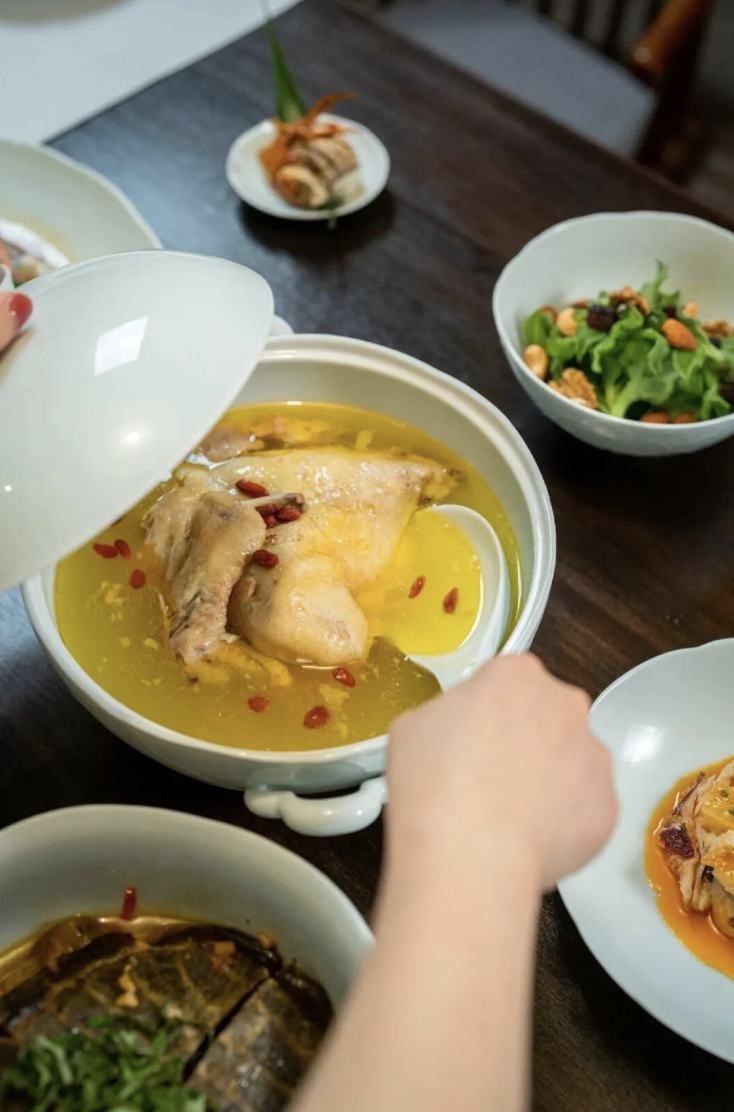
Family style! It’s a set for the shared table.
We believe food brings people together. Talk about culture, ancestors, shared identities. It’s an invitation for a shared meal for all who loves to gather over authentic conversations.
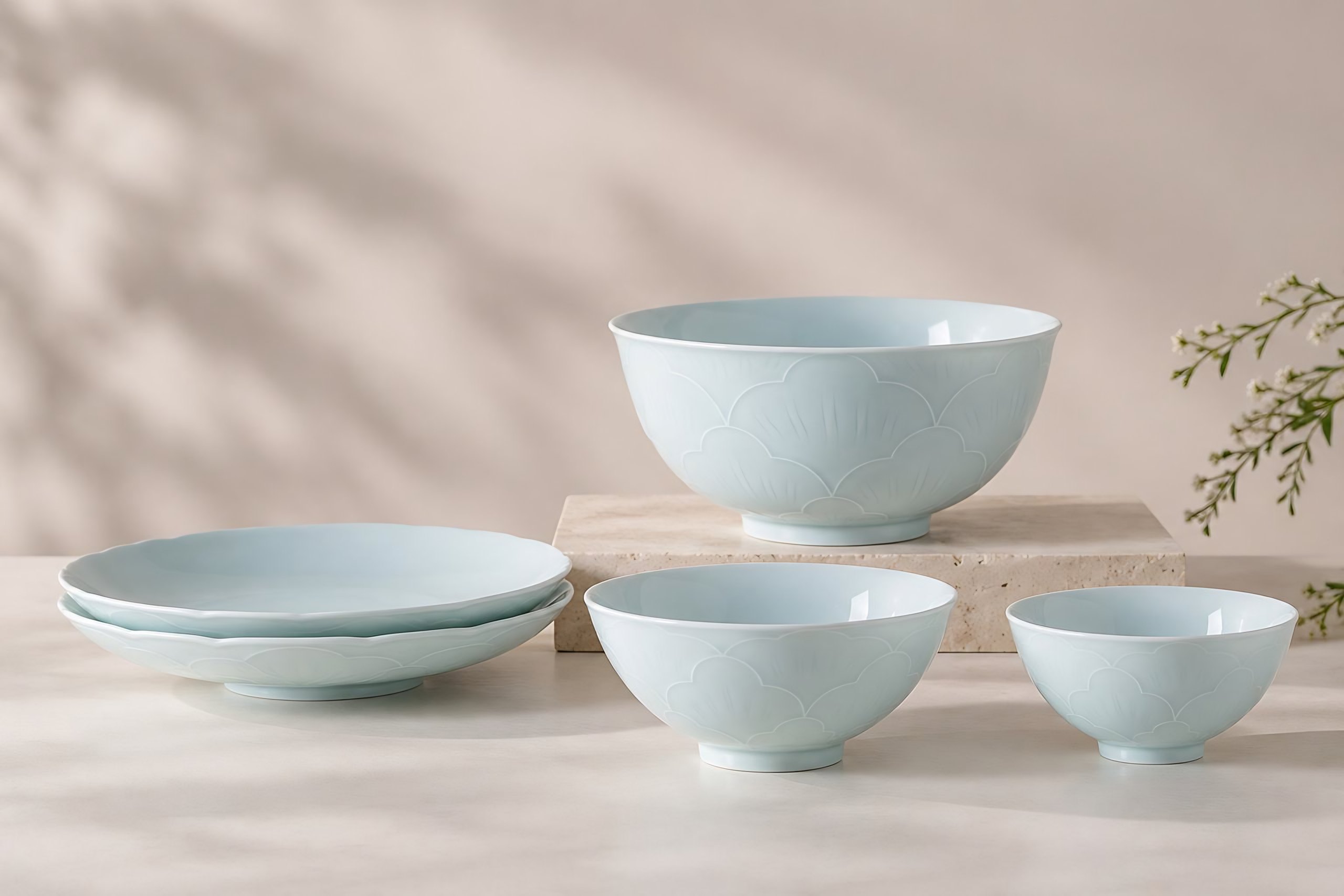
Ideal for rice, noodles, soup and shared dishes: shallow plates for dumplings, a deep plate for stir-fries, a bowl that fits the hand, plus an oval plate for that steamed fish.
And it’s easy to clean! Throw in the dishwasher (or hand wash and use the dishwasher as the drying rack), and because of the dense and non-porous surface, oil, sweet-and-sour sauce and garlic won’t linger!
Inspiration from the
museums
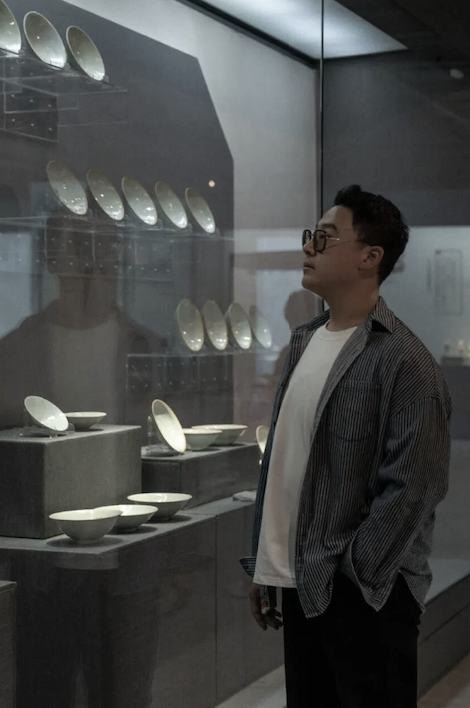
Inspired by the way our ancestors ate, let’s recreate that moment of a scholarly feast from the Song dynasty.
The makers started as design students at Jingdezhen's ceramics university. They took inspiration from natural motifs seen on wares from the past, and integrated modern design aesthetics.
The peony, the "king of flowers," is redrawn here with simpler lines. The edges of the porcelain rise and dip like petals instead of closing in a perfect circle.
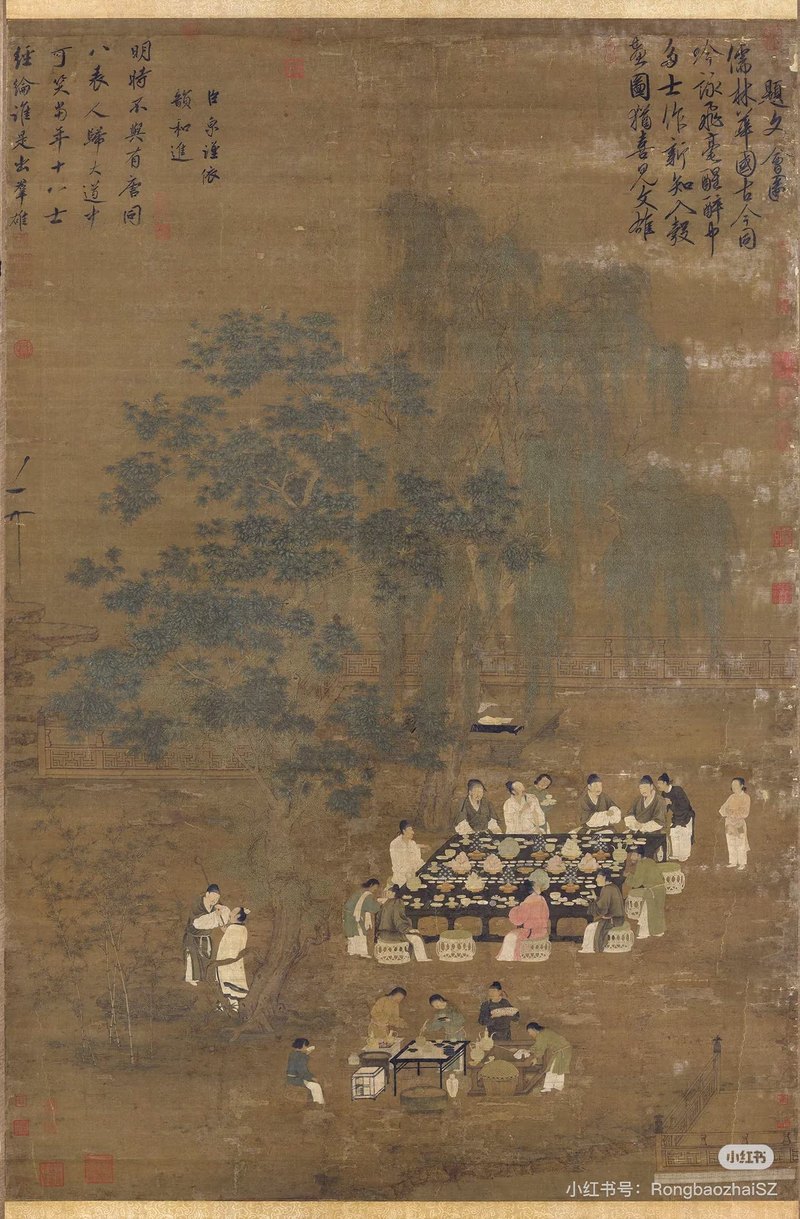
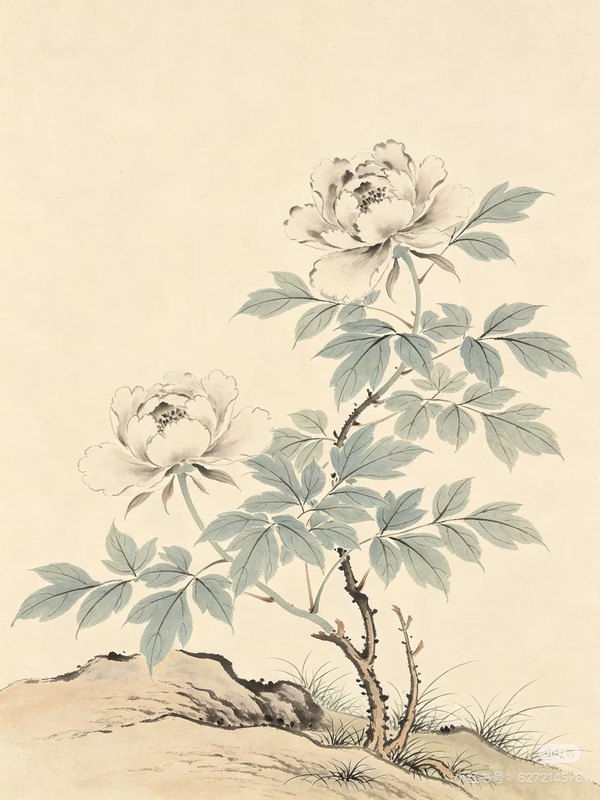
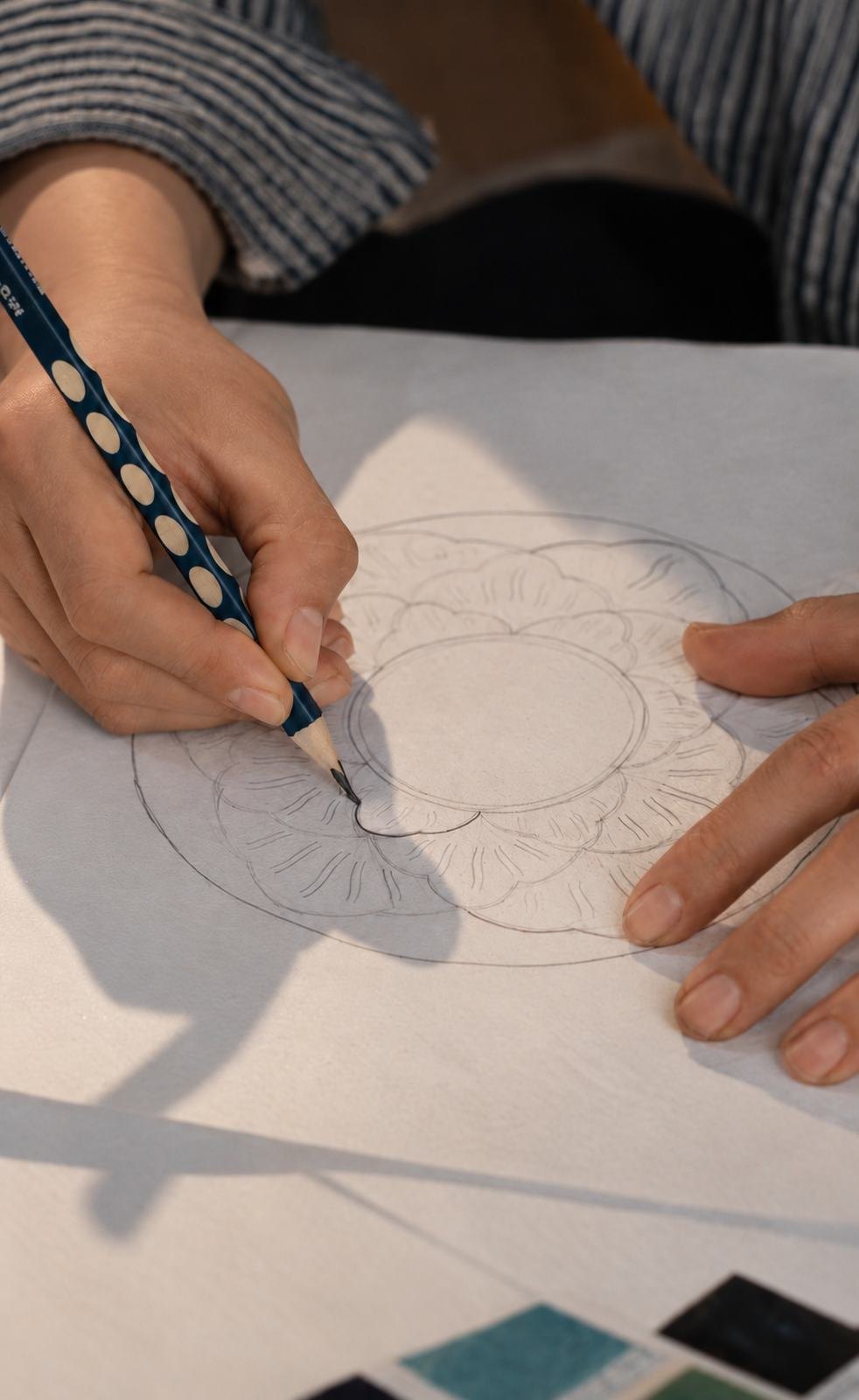
Dinner gatherings from hanging scroll ‘A Literary Gathering’ (文会图 wén huì tú) depicting a scholars feast, Song dynasty, 960–1279 CE.
Artisanal techniques
passed down from
centuries
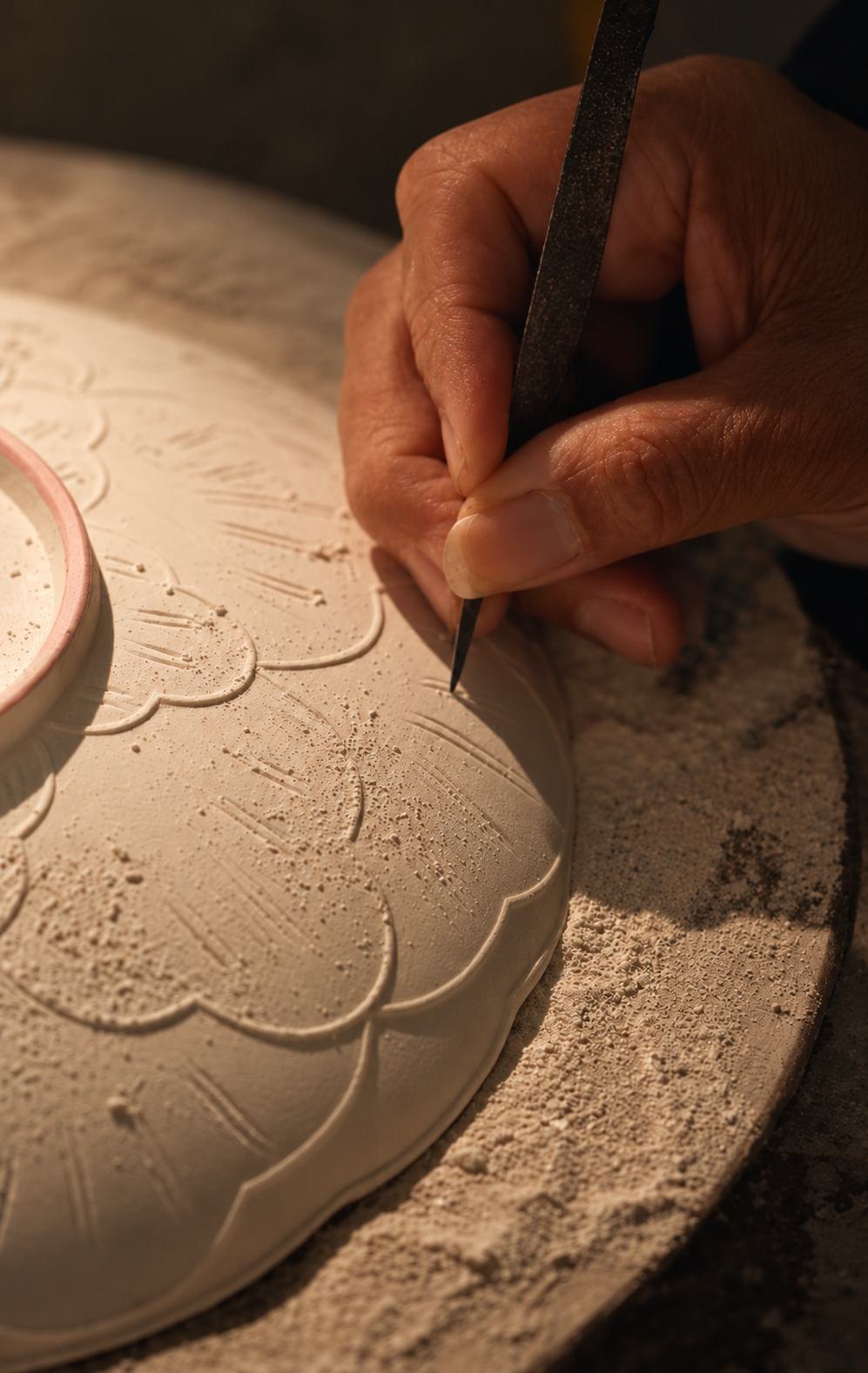
Half-knife carving (半刀泥 bàn dāo ní) is a traditional ceramic carving technique from Jingdezhen, where lines are deep on one side and shallow on the other, creating a vivid relief effect.
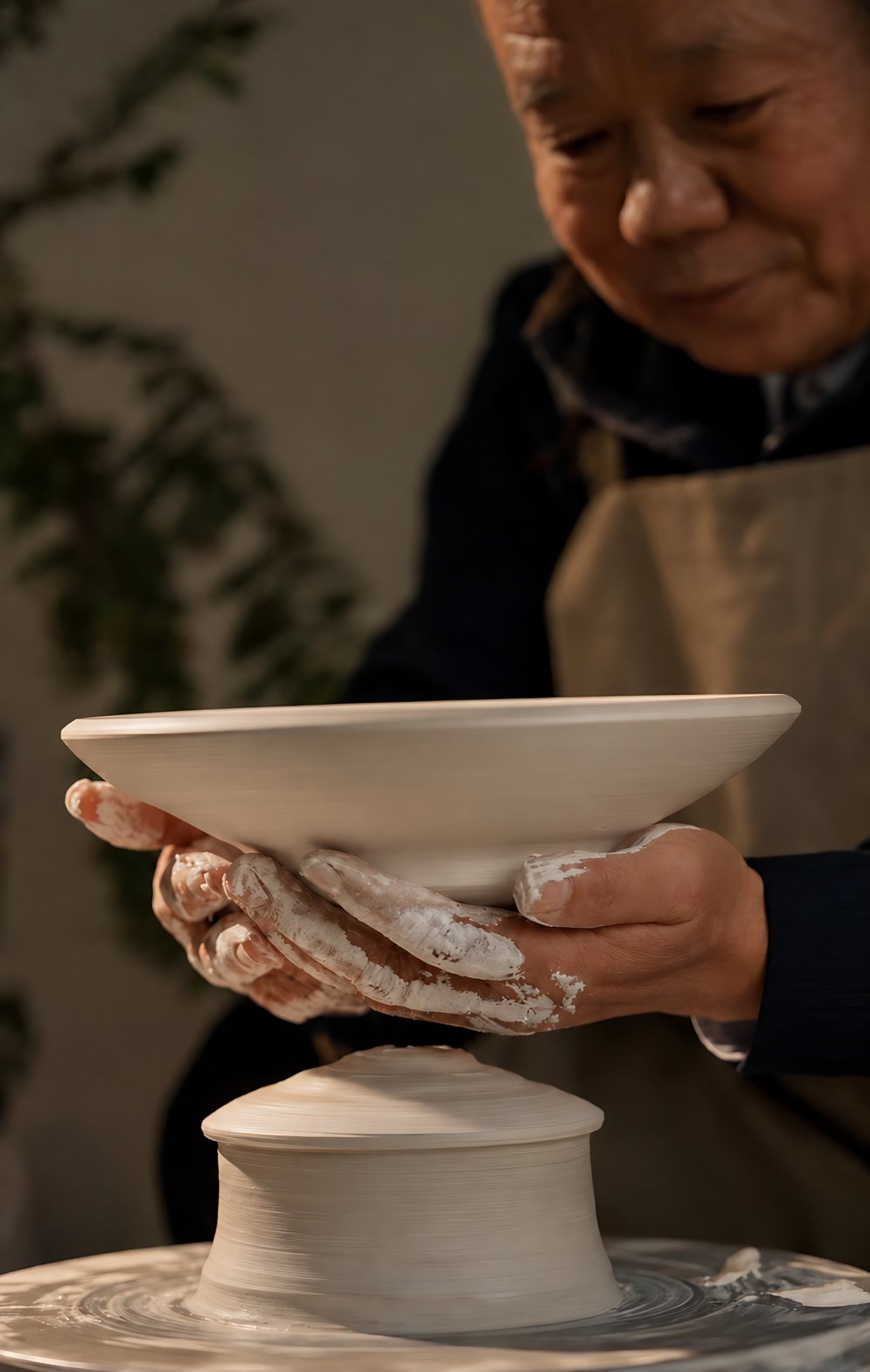
A glassy and slightly cloudy glaze is then applied. It scatters light, giving the porcelain body a soft, milky depth.

Product details
-
10” Dinner Plate
Diameter: 10.2 in (26 cm)
Height: 1.8 in (4.5 cm)
-
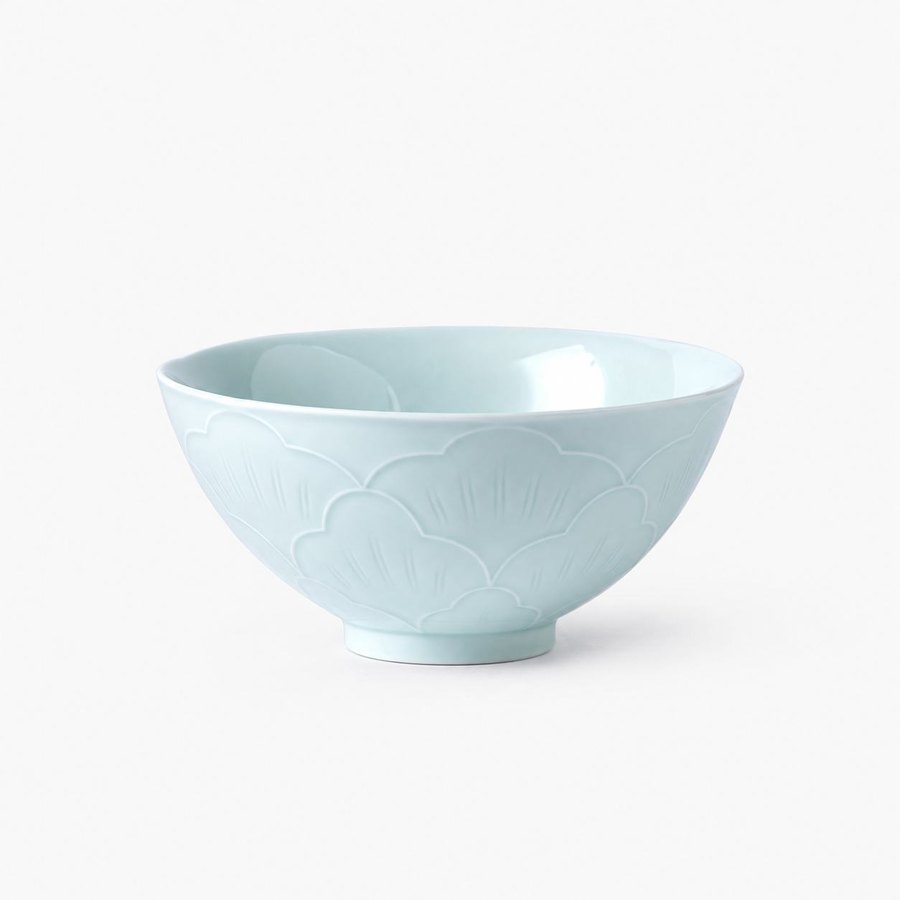
5” Rice Bowl
Diameter: 4.9 in (12.5 cm)
Height: 2.4 in (6 cm)
-
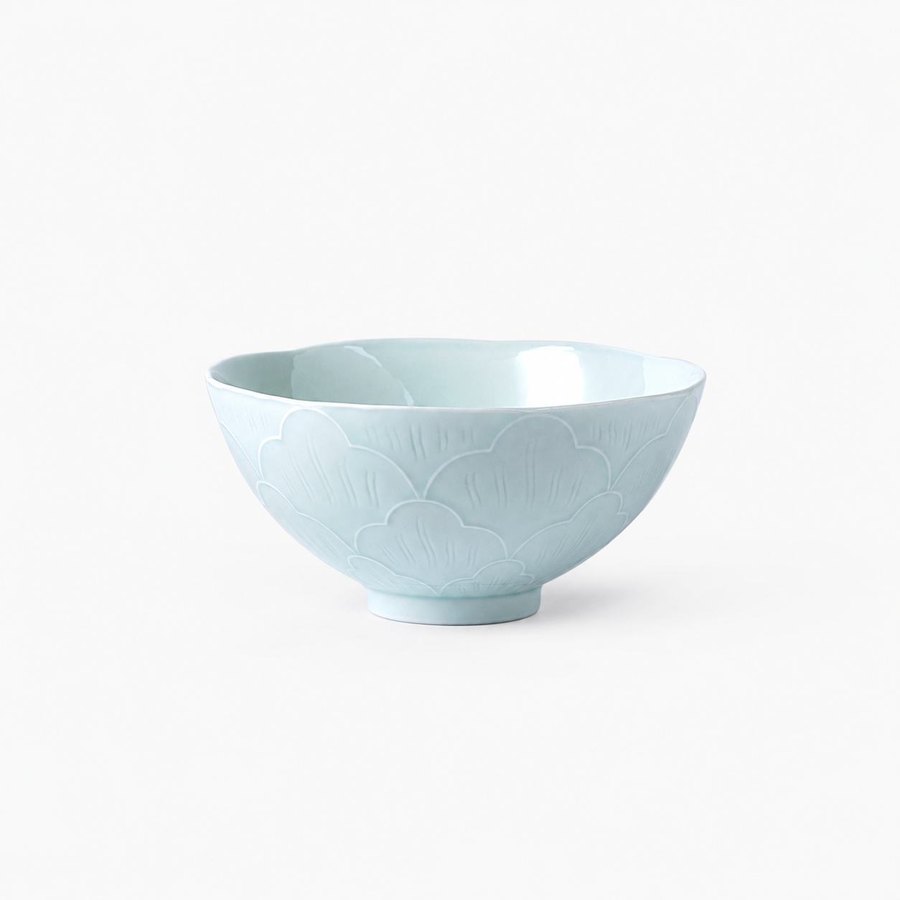
6.5” Noodle Bowl
Diameter: 6.5 in (16.5 cm)
Height: 3.1 in (8 cm)
-
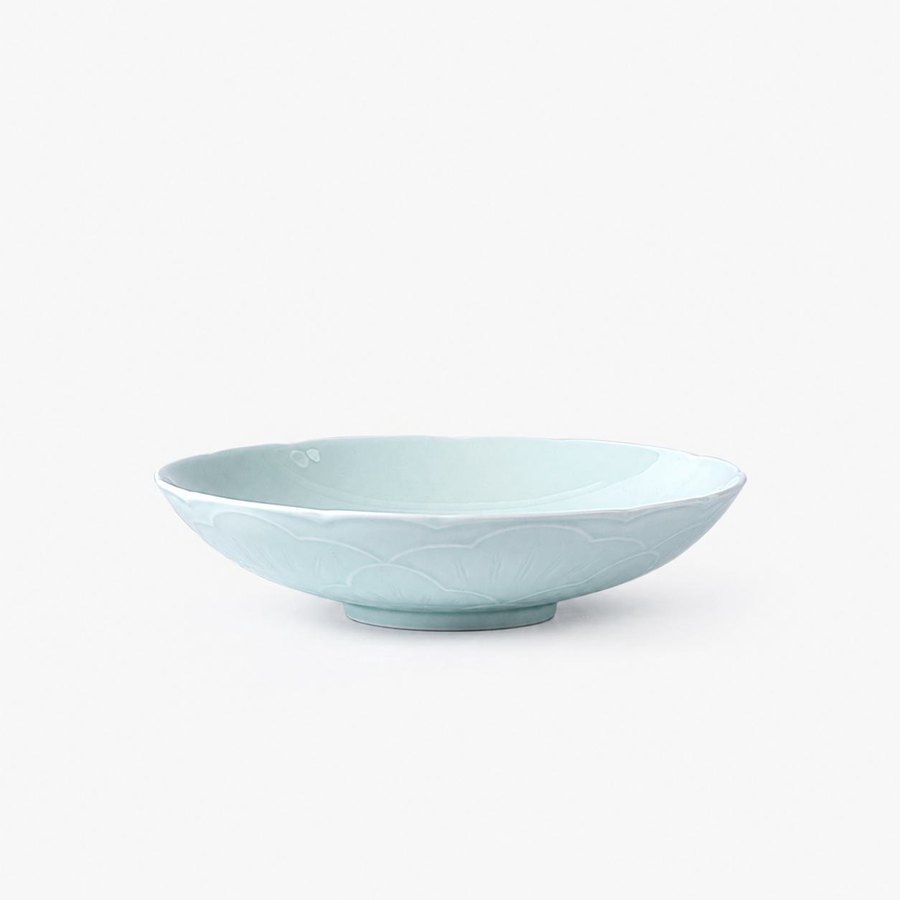
8” Deep Plate
Diameter: 8.75 in (21 cm)
Height: 2 in (5 cm)
-
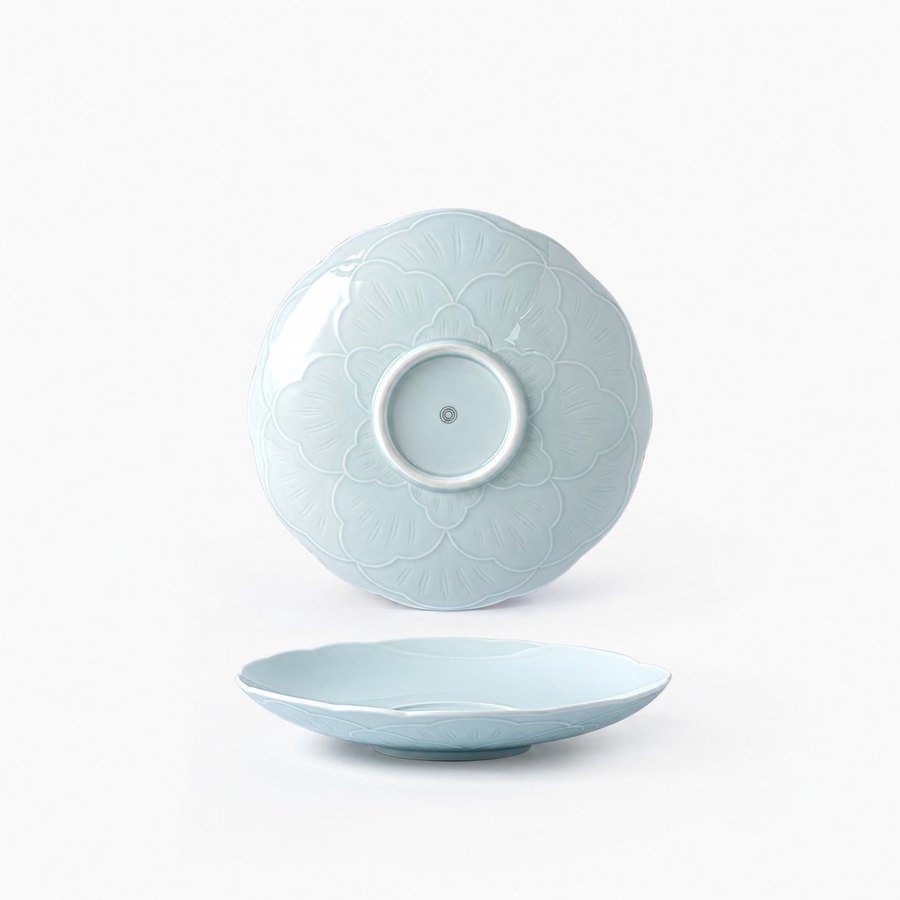
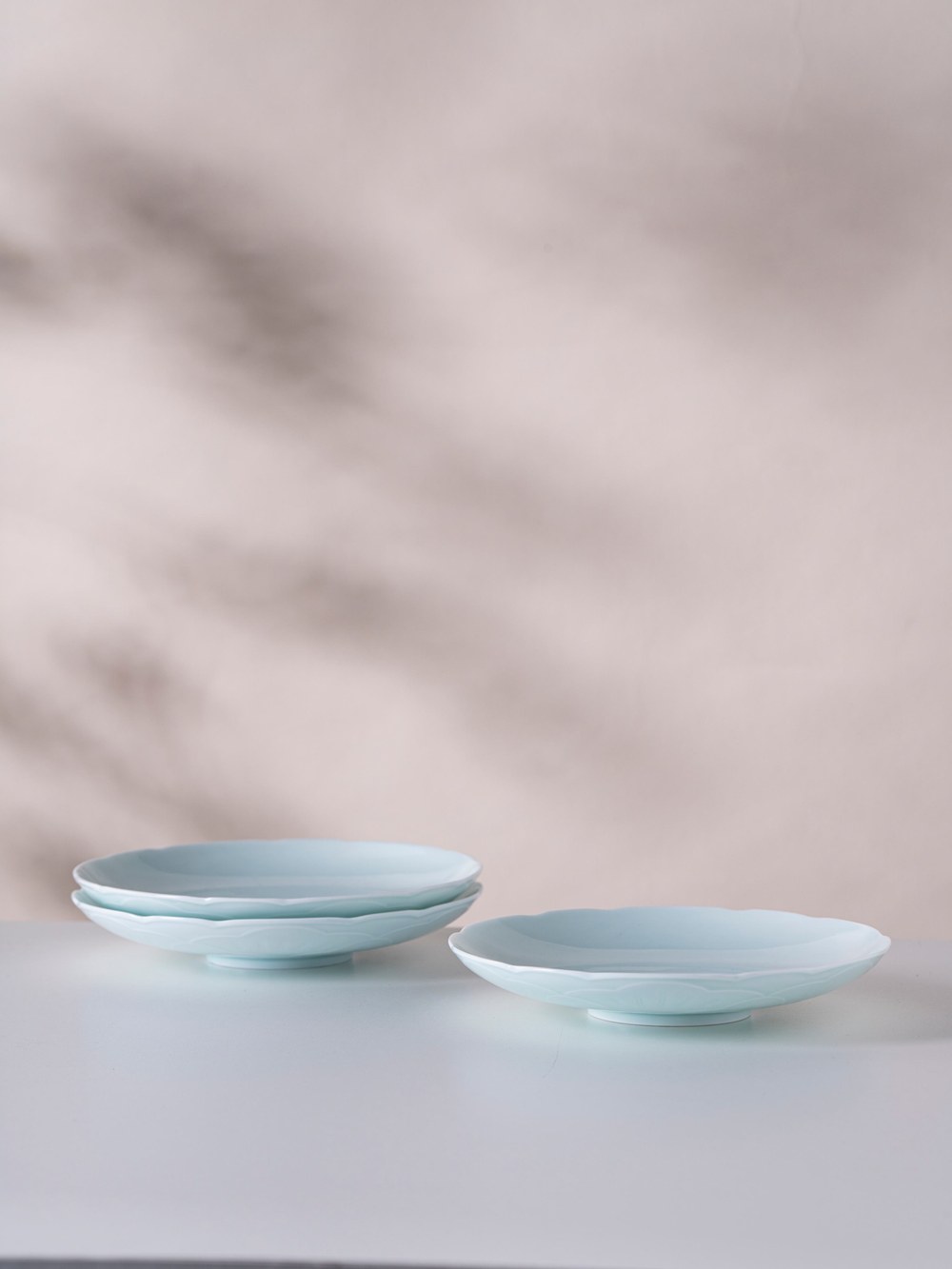
6” Dessert Plate
Diameter: 6.5 in (16.5 cm)
Height: 1.1 in (2.8 cm)
-
8” Soup Bowl
Diameter: 8.7 in (22 cm)
Height: 4.3 in (11 cm)
-
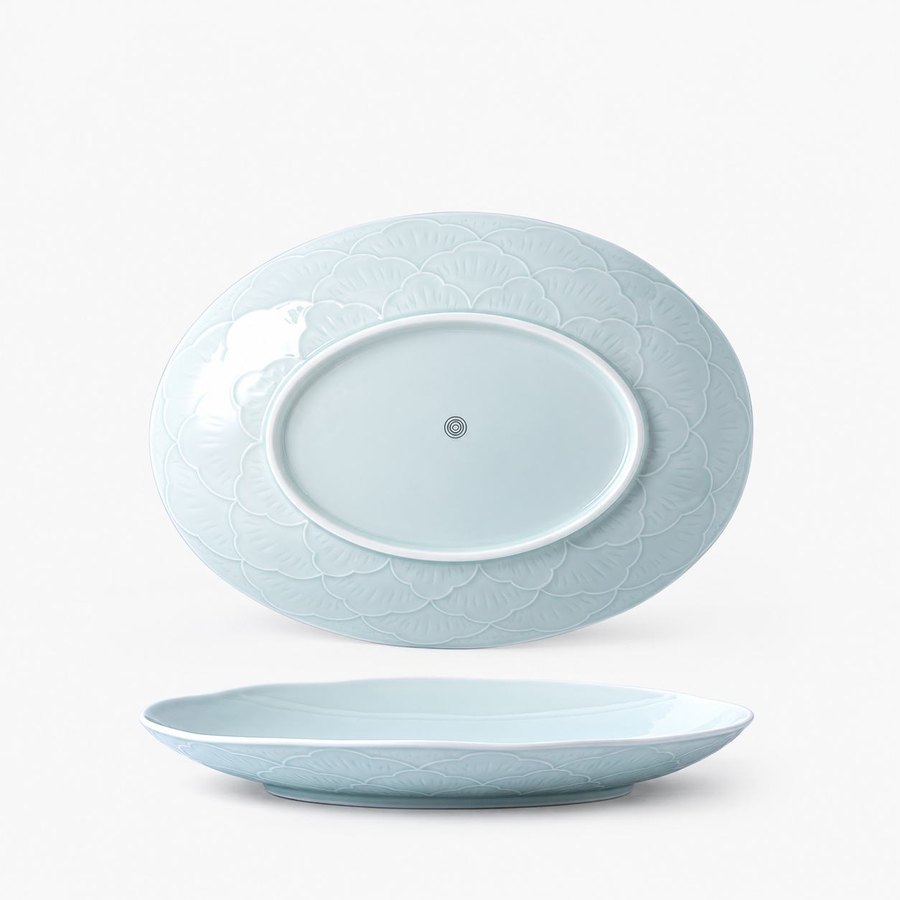
12” Fish Plate
Dimension: 12 × 8.1 in (30.5 × 20.5 cm)
Height: 1.8 in (4.5 cm)
-
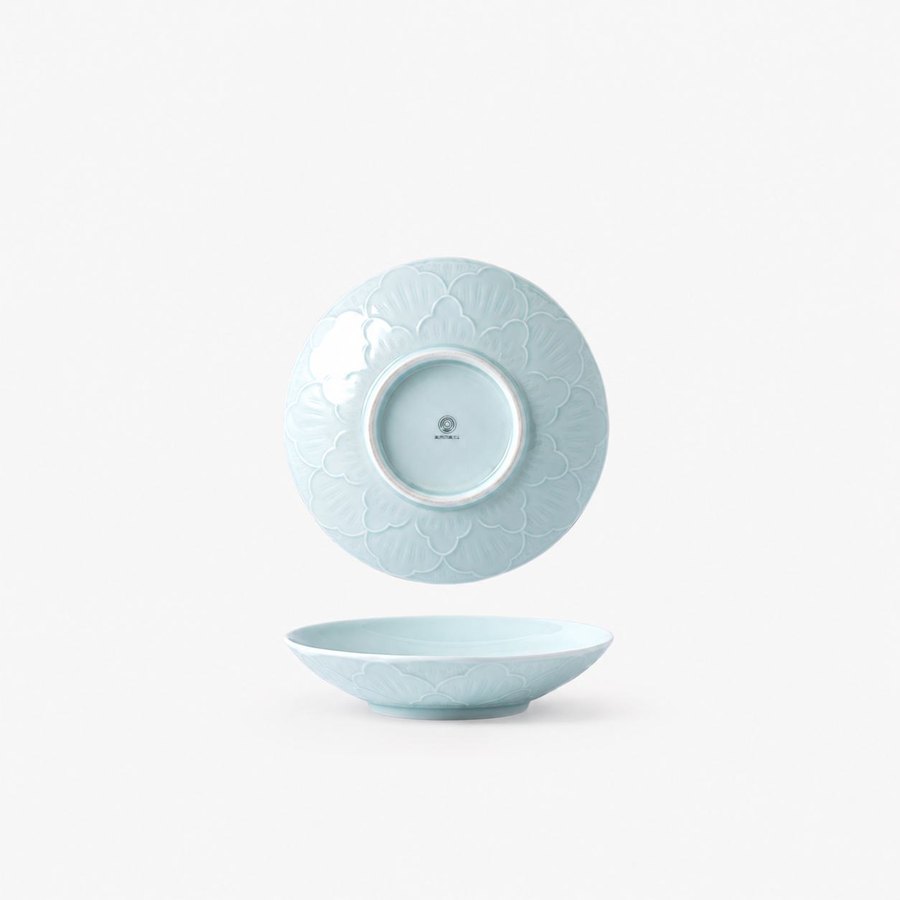
Sauce dish
Diameter: 6.5 in (16.5 cm)
Height: 1.1 in (2.8 cm)
Made to be used,
designed for every day
Each piece carries the "Made in Jingdezhen" seal (certified by the Jingdezhen Ceramics Association). The origin of the kiln dates back to the year 1004.

Lead- and cadmium-free (>13 hours high-temperature fired)

Walls under 3mm (around 1/8 inch), yet it’s tough and resists knife and fork scratches

Oven, microwave and dishwasher safe (gentle cycle).
leaf and hands by Damian Hetman, dinnerware by Lars Meiertoberens, Oven by Dong Gyu Yang from Noun Project (CC BY 3.0)
First debut in America
If you loved what you see, follow along or Pre-Order here.